Home/Live Matches/Live Cricket Scorecard Audit for Fantasy Points
Live Cricket Scorecard Audit: How to Verify Fantasy Points on FSL11
A practical, format-aware method for checking a live cricket score, translating real match events into provisional fantasy points and knowing when a correction is normal rather than an error.
Editorial note: This page is an independent scoring guide, not a live official score feed. Always verify match events with the competition organiser or governing body. FSL11 contest scoring is provisional until settlement; use the current in-app points table for exact values. 18+ only in permitted states. Play responsibly.
Updated: 19 July 2026 | Reviewed by: FSL11 India Editorial Desk | 12-minute read
A live cricket scorecard looks simple until one event changes several columns at once. A catch can alter the batter's dismissal, the bowler's wicket tally and the fielder's record. A no-ball can add an extra, change the ball count and keep a batter alive. A rain break can replace the original chase with a revised target. If you watch only the total in the corner of a broadcast, a fantasy leaderboard movement may look mysterious even when the underlying scoring is correct.
This guide offers an audit trail rather than an invented "live score today." It is evergreen, works across T20, ODI and Test cricket, and is especially useful after completed events such as the 2026 men's T20 World Cup and IPL 2026. The central rule is simple: separate the match event, the official scorecard record and the fantasy rule value. They are connected, but they are not the same data layer.
1. Start with the three-layer scorecard audit
The first layer is the event on the field: runs completed, boundary, wicket, catch, stumping, run-out, extra or over completion. The second layer is the official scoring decision. Scorers reconcile their records with the umpires, and that record decides how an incident appears in the scorecard. The third layer is the fantasy platform's published points system, which maps an official event to points, bonuses or penalties.
Keeping the layers separate prevents most disputes. A television commentator may initially say "edge" while the official dismissal later appears as leg before wicket. A relay throw may involve two fielders, while the scorecard identifies the player who completed the run-out. Neither the crowd reaction nor a social clip is the settlement record. The official scorecard is the bridge between what happened and how fantasy rules are applied.
Layer
What to record
Best evidence
Match event
Ball, batter, bowler, runs, extras and dismissal sequence
Official ball-by-ball commentary or broadcast replay
Official score
Score, wickets, overs, attribution and target
Competition or governing-body scorecard
Fantasy value
Applicable run, wicket, fielding, bonus and penalty rules
The current contest points table
Do not assume a fixed FSL11 value from examples on another app. Platforms can use different bonuses, economy bands and strike-rate thresholds. Open the points table attached to the actual contest before calculating.
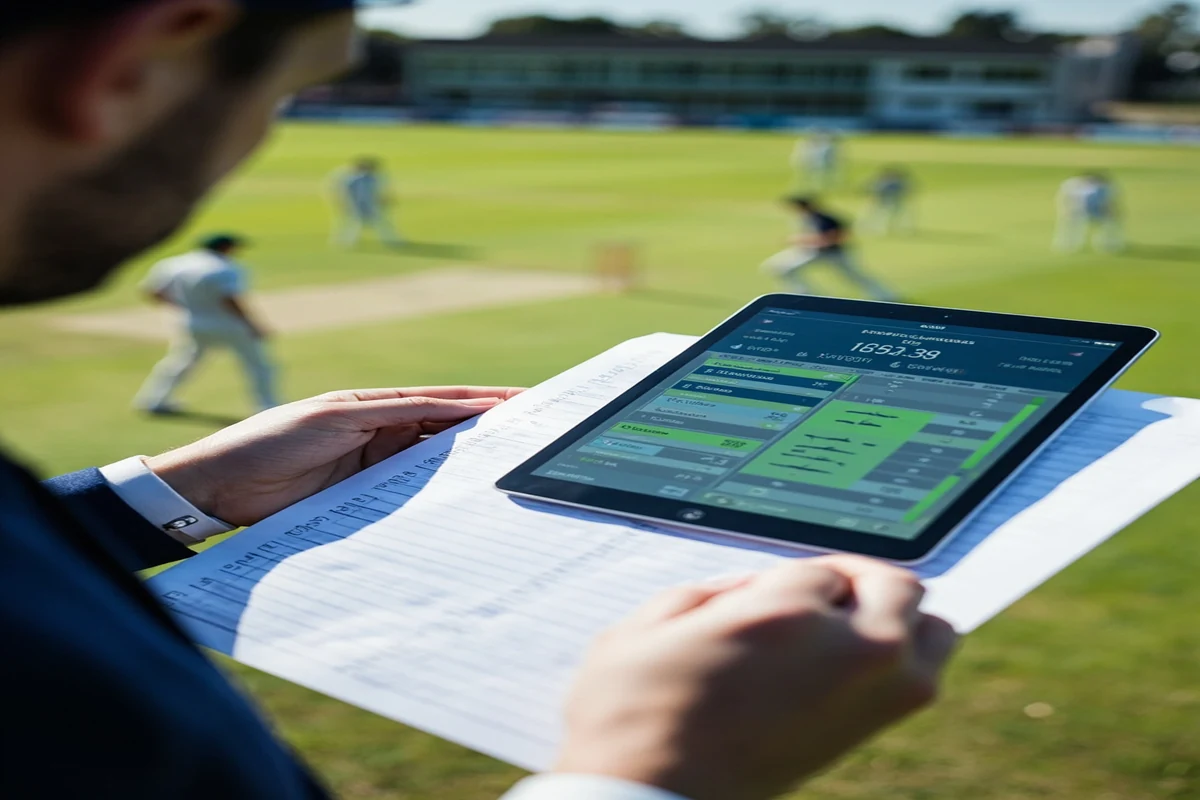
Read the official innings record before translating events into fantasy points.
2. Read the innings scorecard in a fixed order
Begin with the headline: score, wickets, overs and innings status. In limited-overs cricket, "176/6 in 20 overs" means 176 runs, six dismissals and the scheduled allocation completed. In a chase, add the target, current required rate and balls remaining. In Tests, add the innings number, lead or deficit, wickets remaining and whether a declaration or follow-on applies.
Next inspect the batting card. Runs alone do not explain fantasy output. Note balls faced, fours, sixes, strike rate and dismissal. Then inspect bowling figures: overs, maidens, runs conceded, wickets and economy. Finally check extras, fall of wickets and partnerships. If the sum of batter runs plus extras does not equal the innings total, you have either read a partial update or missed a correction.
Overs are not decimal numbers. The notation 17.4 means 17 completed overs plus four legal balls, not 17.4 mathematical overs. For a quick run-rate check, convert it to 106 legal balls: 17 × 6 + 4. This matters because a no-ball or wide adds to the total without counting as one of those six legal deliveries.
3. Audit dismissals before assigning wicket and fielding credit
A bowler is normally credited for dismissals such as bowled, caught, leg before wicket, stumped and hit wicket. A run-out is different: it is a team dismissal and is not added to the bowler's wicket column. That distinction alone explains many apparent live-points mismatches. The batter is out in both cases, but the fantasy recipients can differ.
For a caught dismissal, confirm the fielder named in the scorecard and the bowler. For a stumping, confirm the wicketkeeper and bowler. For a run-out, read the official attribution rather than guessing from the last person shown on camera; a direct hit and an assisted relay may be represented differently under a platform's fielding rules. Also remember that retired hurt, retired out, obstructing the field and timed out are separate dismissal categories.
Use the fall-of-wickets line as a cross-check. It identifies the team score and over at each dismissal. If a wicket appears in commentary but not yet in the batting card, the feed may be between event receipt and scorer confirmation. Take a timestamped note instead of refreshing multiple unofficial apps and treating their disagreement as proof of an error.
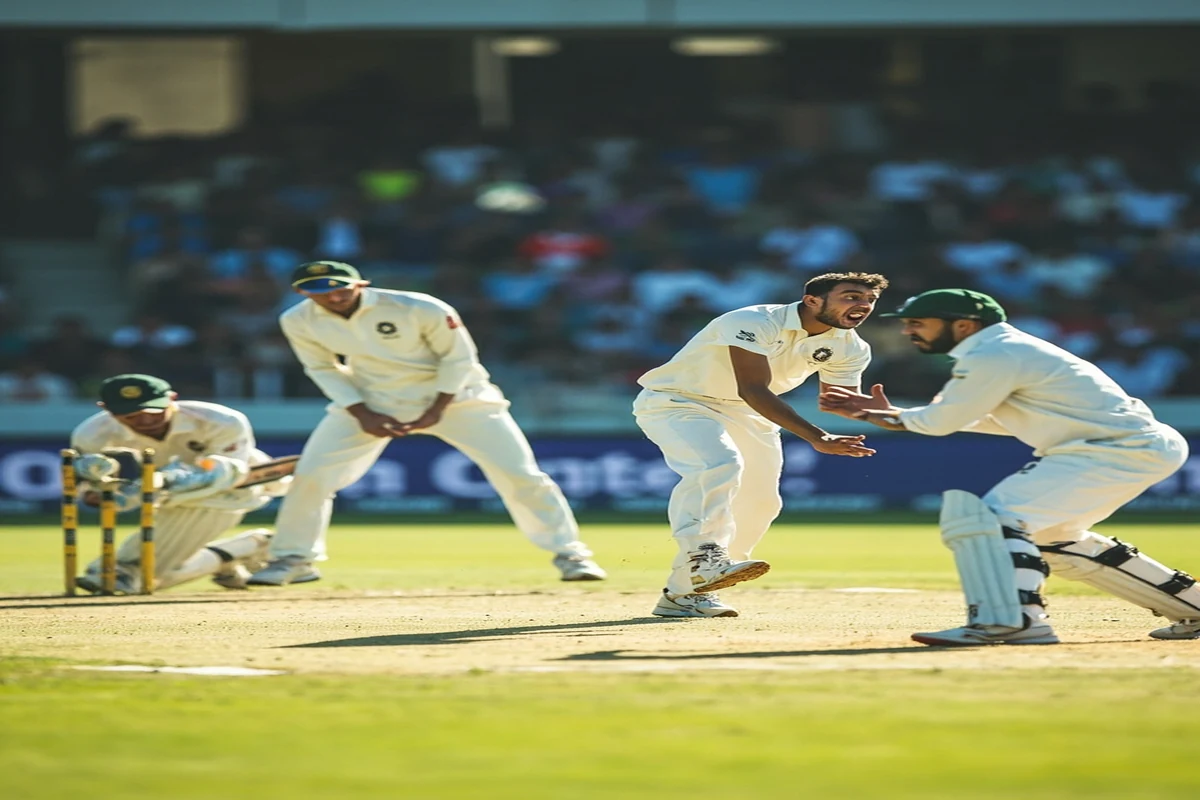
Dismissal type determines whether credit belongs to a bowler, fielder, wicketkeeper or the team.
4. Check extras and legal balls when totals move unexpectedly
Extras are runs not credited to the batter. The main categories are wides, no-balls, byes, leg byes and penalty runs. Wides and no-balls are charged to the bowler; byes and leg byes are recorded separately in team extras. A no-ball can also include runs from the bat, so the delivery may add several runs while only some are batter runs.
Wides and no-balls do not count as legal balls in the over. Byes and leg byes on an otherwise legal delivery do. This is why the team total can rise while the over notation stays unchanged. It also explains why a bowler's runs conceded may not equal every run scored while that bowler was operating: byes and leg byes are not normally charged to the bowler.
For an audit, copy the complete ball description: over.ball, bowler, batter, total runs, extra type and any wicket. Then check the over summary. One line of evidence is more useful than a screenshot showing only the scoreboard total because it preserves the attribution needed for later reconciliation.
5. Treat DLS as a new target, not a simple run-rate shortcut
The ICC describes Duckworth-Lewis-Stern as the method formally adopted to calculate a fair result when weather interrupts a limited-overs match. It can recalculate a target after time is lost. The method considers resources, which broadly means overs available and wickets lost; it is not simply "current run rate multiplied by remaining overs."
After an interruption, write down four fields: the original first-innings score, the revised overs available, the revised target and the score at which the match is won or tied. Use the official scorecard's target note. The required run rate displayed before the interruption is obsolete once a revised target is issued.
Fantasy points for individual completed events usually remain attached to the recorded scorecard, while match-result or result-linked rules—if a contest has any—must follow the final official result. Never invent what a platform will do with an abandoned or no-result match. Read the contest rules and settlement status.
After rain, verify the revised overs and target shown by the official competition source.
6. Understand why live fantasy points are provisional
Live scoring is a pipeline. An event is captured, transmitted, displayed, reconciled and then settled. A delay at any stage can cause two screens to differ for a short period. Corrections are most common around extras, catch or run-out attribution, a batter's run total, the legal-ball count and milestones that depend on a final figure.
A small leaderboard reversal is therefore not automatically a scoring failure. Ask whether the underlying scorecard changed. If it did, the fantasy total should follow the corrected event and the current points rules. If the official scorecard did not change but the fantasy total did, preserve the contest ID, player name, match, timestamp and screenshots for support.
Do not build a financial decision around an unsaved live rank. Contest positions can move when another player's catch is confirmed, a boundary is reclassified, an economy band changes at the end of an over or a score provider performs reconciliation. The completed result is the authoritative fantasy outcome, subject to the platform's terms.
7. Use this five-minute verification workflow
Identify the match and innings. Record teams, competition, date, innings and current over.
Open the official scorecard. Prefer the organiser or governing body; confirm the score, wickets, overs and status.
Locate the event. Use ball-by-ball commentary, dismissal text, bowling figures and fielding attribution.
Open the contest points table. Check format-specific runs, wickets, fielding, bonuses and penalties.
Wait for settlement before escalating. If the result remains materially different after completion, send a compact evidence bundle to support.
A useful evidence bundle contains one sentence describing the issue, the contest ID, official scorecard URL, over and ball, the player affected, expected rule category and two screenshots: the official event and the settled fantasy total. Avoid long speculative messages. Support can investigate a reproducible event much faster than a general complaint that "points look wrong."
Symptom
Check first
Likely explanation
Wicket points missing
Dismissal type
Run-out or non-bowler dismissal
Over has more than six entries
Wide/no-ball labels
Extra delivery was not legal
Chase target changed
DLS note and revised overs
Weather interruption changed resources
Rank changes after play
Official scorecard corrections
Reconciliation or milestone band update
8. Adjust the audit for T20, ODI and Test cricket
In T20 cricket, one over can change strike rate, economy, milestone and match state at once. Audit the legal-ball count and end-of-innings bands carefully. In ODIs, partnerships, longer bowling spells and DLS interruptions create more opportunities for a provisional figure to change as the innings develops.
In Test cricket, the context expands to two innings per side, declarations, leads, deficits and potentially a follow-on. Strike-rate or economy rules may differ from white-ball contests or may not apply at all. Never carry assumptions from a T20 points table into a Test contest.
Across all formats, the reliable sequence remains unchanged: official event first, current fantasy rule second, settlement status third. Our live matches hub groups score-focused guides, while the fantasy tips hub covers pre-match selection discipline and contest planning.
9. Trusted sources and editorial limits
For international cricket, start with the ICC fixtures-and-results area and the competition's official page. The ICC playing-conditions library provides format documents, including men's T20I conditions and event-specific conditions. For IPL matches, use the official IPL results and statistics pages. MCC is the custodian of the Laws of Cricket, while ICC playing conditions can introduce format- or competition-specific differences.
FSL11 India does not claim that an unofficial display is the match authority, and this article does not publish a live score or guarantee an exact points value. It teaches a verification process. Exact contest scoring must always be checked against the current in-app rule table and completed-result status.
Frequently asked questions
Why can live fantasy points change after an over?
A live feed can be provisional. An official scorer may confirm a catch, revise an extra, correct the credited fielder or update an interrupted-match target. The fantasy platform then recalculates any affected event under its published points rules.
Which source should I trust when two score apps disagree?
Use the official competition scorecard or the governing body's fixtures-and-results page as the primary record. A broadcaster is useful for context, but a social post or fan score widget should not override an official scorecard.
Does a run-out wicket belong to the bowler?
No. A run-out is a team dismissal rather than a wicket credited to the bowler. Fielding points may depend on who completed the run-out and on the platform's current rules.
How should I read a DLS target on a live scorecard?
Check the revised target, the number of available overs and the interruption note. Do not compare the chasing side only with the original first-innings total after DLS has changed the target.
When is a fantasy result final?
Treat the live leaderboard as provisional until the contest or platform marks the result as completed or settled. Keep the official scorecard available if you need to audit a material difference.
Can I calculate exact FSL11 points from this guide?
This guide explains the event audit. Exact values must come from the current FSL11 points table shown for the contest because bonuses, penalties and format-specific rules can change.
Build your cricket knowledge before entering a contest
Review the live scorecard, confirm the current points table and play only within a budget you can afford.